January Housing Snapshot
What to Expect as We Head Into 2026
As we enter January 2026, the housing market finds itself in a very different place than it was just a few years ago. The extreme conditions that defined the post-pandemic period—rapid price acceleration, record-low inventory, and urgency-driven decision-making—have largely given way to something more measured. While challenges remain, the market appears to be moving through a period of adjustment rather than disruption.
Rather than waiting for a dramatic reset, buyers and sellers are increasingly engaging with a market that is recalibrating under new economic realities. Price growth has slowed, inventory has improved, and expectations are becoming more grounded. The result is a housing environment that feels less reactive and more navigable as we move into 2026.
A Market Adjusting, Not Resetting
One of the most common questions heading into the new year is whether the housing market is finally due for a reset. After years of higher interest rates and affordability pressure, many expected prices to fall meaningfully or conditions to revert to pre-2020 norms. As we move into 2026, that outcome appears increasingly unlikely.
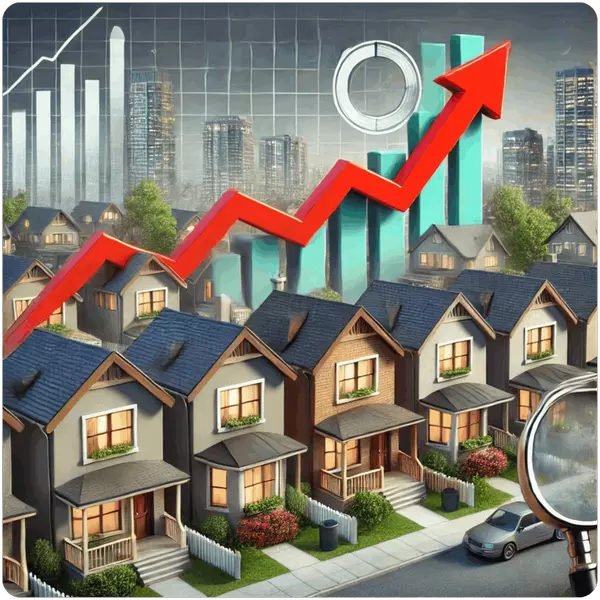
Home prices in most markets continue to rise, but at a much slower and more sustainable pace than what we experienced immediately after the pandemic. Rather than correcting sharply, the market seems to be absorbing the effects of higher borrowing costs, improved supply, and more cautious buyer behavior. This slower pace does not suggest weakness—it reflects normalization.
A true reset would likely require widespread forced selling or a dramatic oversupply of homes. Neither appears present on a broad scale. Most homeowners still hold fixed-rate mortgages, significant equity, and relatively stable employment, which continues to limit distress-driven inventory.
Interest Rates and the Path of Policy in 2026
Interest rates remain central to the housing conversation, but the focus has shifted from “when will rates drop?” to “how will they evolve from here?” The Federal Reserve began easing policy in late 2025, and as we move through January 2026, it appears likely that this easing process could continue gradually.
Rising unemployment, slowing economic momentum in certain sectors, and persistent financial headwinds suggest that the Fed may have limited room to remain overly restrictive. At the same time, inflation has not fully disappeared, which makes aggressive cuts less certain. The most plausible scenario appears to be continued, measured easing rather than a rapid return to ultra-low rates.
For housing, this matters less because rates become “cheap” and more because they become predictable. Even modest easing, combined with greater stability, allows buyers and sellers to plan more confidently and engage with the market based on long-term needs rather than short-term speculation.
Inventory Improvements and a Healthier Balance
Inventory has been one of the more constructive developments heading into 2026. After several years of extreme scarcity, more homes are coming to market, and home sales increased meaningfully in 2025. In many regions, inventory levels are now much closer to—or even above—pre-pandemic norms.
This improvement has helped reduce the urgency that once dominated transactions. Buyers generally have more options, more time to evaluate decisions, and greater negotiating power than they did just a few years ago. Sellers, in turn, are operating in a more competitive environment that rewards realistic pricing and preparation.
That said, inventory conditions remain uneven. Some markets have normalized faster than others, and supply continues to vary widely by location and price point. As a result, local dynamics matter more than ever, even as national conditions improve.
Affordability, Buyer Psychology, and Value Sensitivity
Affordability continues to shape the housing market in 2026, but its influence is increasingly psychological rather than purely financial. Instead of pushing buyers entirely out of the market, higher rates have changed how buyers approach decisions.
Today’s buyers are more deliberate and value-focused. They are scrutinizing pricing, comparing alternatives, and placing greater emphasis on functionality and long-term livability. Homes that align with current affordability realities continue to perform well, while those priced based on outdated assumptions face longer timelines.
This shift has created a healthier decision-making environment. Markets function best when buyers are thoughtful rather than rushed, and the current climate encourages more rational behavior on both sides of the transaction.
Existing Homes, New Construction, and Changing Demand
One of the more notable shifts heading into 2026 is the evolving relationship between existing homes and new construction. In certain markets, existing homes are beginning to outpace new construction in price growth, particularly in established neighborhoods where location and infrastructure carry significant weight.
Builders continue to face elevated construction costs and financing challenges, which has limited pricing flexibility in many communities. At the same time, well-located resale homes are benefiting from steady demand, especially as buyers prioritize livability and affordability over newness alone.
Long-term demand remains supported by demographic trends. Immigration into the U.S. has increased population growth, while domestic migration continues to reshape local markets. Cities like Omaha and Lincoln are seeing increased interest as people relocate from higher-cost states and larger metro areas. We’ve seen this directly, with significantly more out-of-state buyers reaching out in recent years than in the past.
Housing as a Long-Term Asset in a Changing Economy
Broader economic concerns are also influencing how people think about housing heading into 2026. Ongoing discussions around inflation, deficits, and the long-term value of the dollar have increased interest in physical assets that provide both utility and stability.
Housing occupies a unique position in that conversation. While it is not immune to short-term fluctuations, ownership offers protection against rising replacement costs and rent inflation over time. In an environment where economic uncertainty remains elevated, housing continues to serve as both shelter and a long-term store of value.
The Big Picture for 2026
As January 2026 begins, the housing market feels more understandable than it has in years. Progress is uneven, and challenges remain, but the direction appears to be toward balance rather than excess. Interest rates are easing gradually, inventory has improved, and buyer behavior is becoming more rational.
For buyers and sellers alike, this environment rewards preparation, realism, and long-term thinking. While no one has all the answers, the market heading into 2026 appears less defined by volatility and more by opportunity for those willing to engage thoughtfully.
Our team at Nest Group remains committed to providing value to our clients, friends, and family by educating and guiding them through one of the most important asset classes—housing. We continue to be energized by the opportunity to assist buyers and sellers, and we’re excited to serve Lincoln, Omaha, and the surrounding communities throughout 2026.
If you know someone considering buying or selling a home this year, we’d love the opportunity to help in any way we can. Thank you for your continued trust and connections—we look forward to working with you in the year ahead.
About Me
Sam Wurm
Lead at Nest Group Real Estate Advisors
Nebraska Realty
402-570-8002
sam.wurm@nebraskarealty.com
My work centers on building businesses, empowering teams, and helping organizations grow with clarity and purpose. I’m motivated by environments that value forward thinking, strong culture, and disciplined execution, and I enjoy working alongside people who care deeply about doing things the right way.
Outside of work, I enjoy traveling, discovering new restaurants with my wife, Abby, and spending time with family and friends. My Christian faith in God is the most important part of my life, and I’m grateful for the support system and relationships that ground me.
Categories
Recent Posts